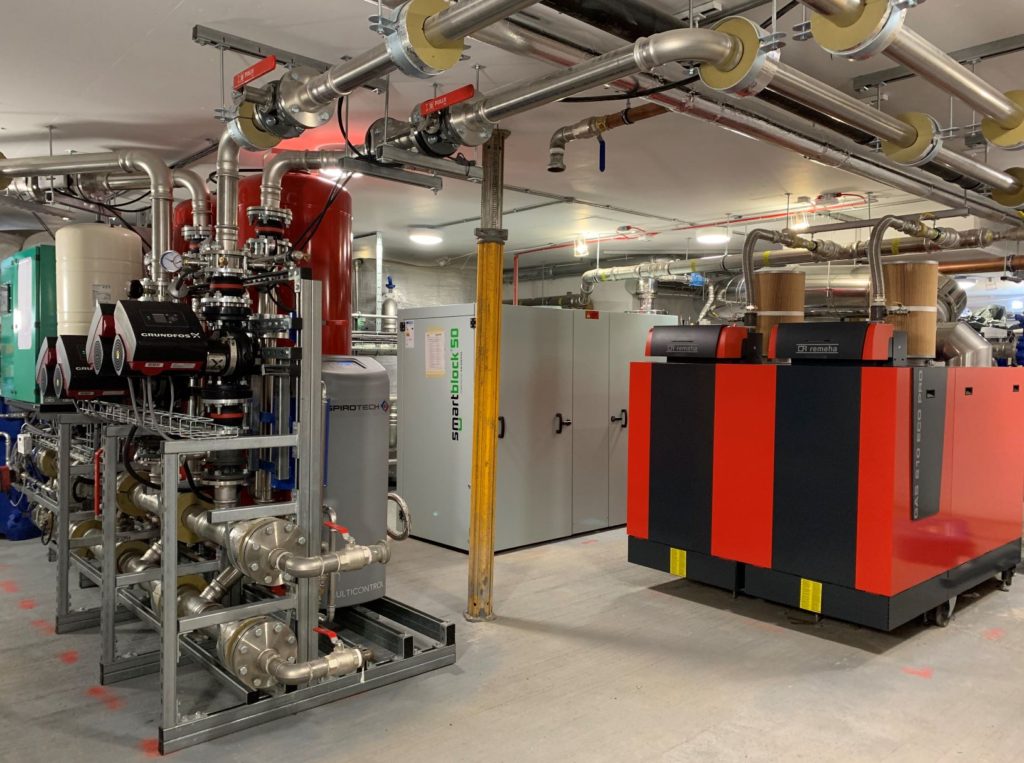
Radiant tube heaters are commonly used in commercial and industrial applications to provide direct and efficient heating. They heat objects and surfaces within a space, rather than the air itself, using infrared radiation. This article explores the principles, types, applications, benefits, challenges, maintenance, and future trends of radiant tube heaters.
Radiant tube heaters operate on the principle of infrared radiation. They generate heat by burning fuel, usually gas, inside a tube. This heat is then radiated from the tube’s surface to warm the objects and people in the vicinity. The emitted infrared rays heat surfaces directly, providing consistent and targeted warmth.
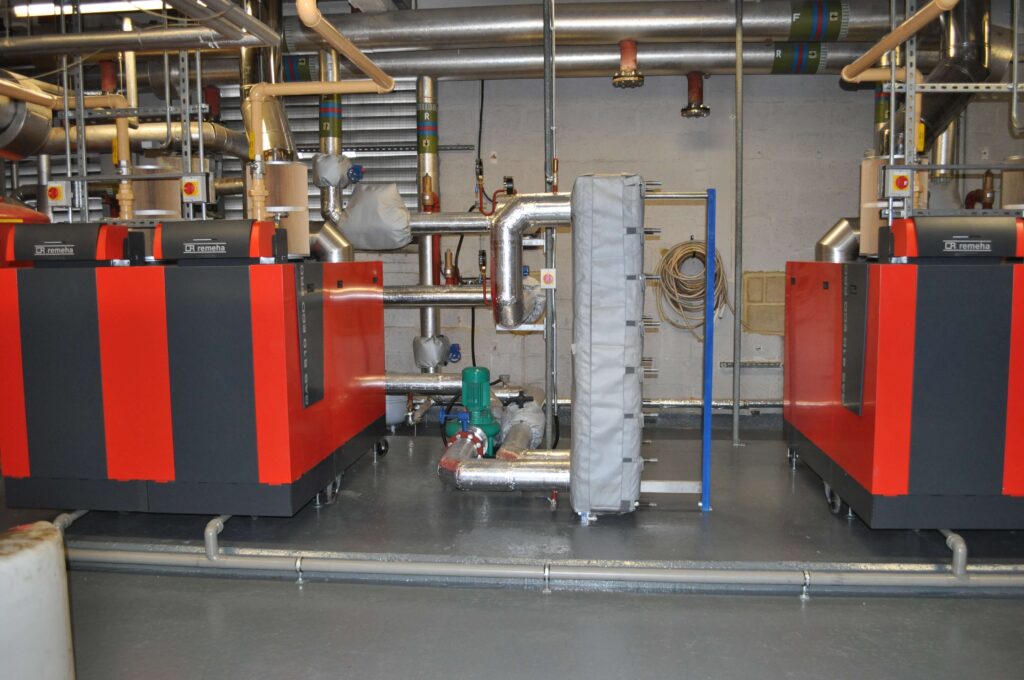
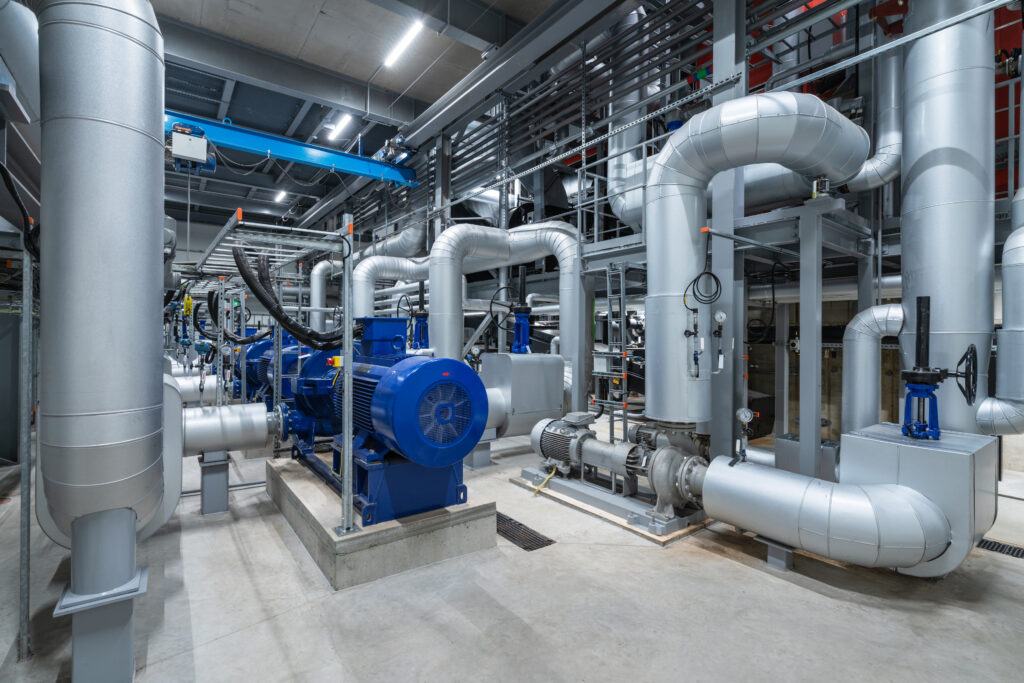
Regular maintenance ensures optimal performance and longevity:
Radiant tube heaters are a versatile and efficient heating solution, especially favored in commercial and industrial applications. Their direct heating methodology provides unique advantages over traditional convection heating systems, including energy efficiency, uniform heating, and flexibility in design.
However, their effective use requires a clear understanding of their operation, proper installation, and regular maintenance. Adherence to safety standards is paramount, given the high temperatures and potential risks associated with gas combustion.
The future of radiant tube heaters seems promising with the integration of smart technologies, a focus on sustainability, and advancements in materials science. These innovations are likely to further enhance their efficiency, versatility, and appeal.
As our understanding of energy conservation grows, and our commitment to environmental stewardship deepens, radiant tube heaters stand poised to play an even more vital role in our heating solutions. Their ability to deliver targeted warmth where it’s needed, without unnecessary waste, aligns well with our modern values and needs, making them an enduring and essential part of our technological landscape.


